

Collections & Areas
What's in bloom at the Gardens
Located on 47 acres that lie between California's scenic Highway 1 and the Pacific Ocean, this magnificent site includes canyons, wetlands, coastal bluffs, and a closed-cone pine forest. Set among this striking background is a varied array of plant collections. Our moderate climate allows us to grow a wide range of tender species plants that cannot survive the more extreme heat or cold that occurs in other locations.
Bloom Seasons at the Mendocino Coast Botanical Gardens
February, March, April
Rhododendrons, camellias, magnolias, winter heaths, azaleas, grevilleas, daffodils, flowering cherry, and coastal wildflowers
May, June, July
Rhododendrons, heritage roses, perennials, succulents and cacti, lilies, heaths, summer heathers, coastal and forest wildflowers
August, September, October
Dahlias, heritage roses, heathers, begonias, fuchsias, hydrangeas, perennials at their peak bloom
November, December, January
Late perennials, winter heaths, camellias, magnolias, azaleas, early rhododendrons, grevilleas, and wild mushrooms
All year long
Organic vegetables, quiet forests, fern canyons, rare conifers, stunning ocean views, spring and fall bird migrations, whale watching with peak migration in the winter and spring


Ecological Conservation Collection


Display Collections & Areas



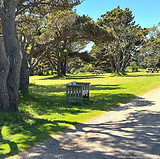
Event Lawn
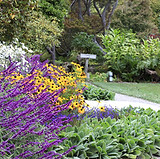
Meadow Lawn
Cultivating curiosity one label at a time
Mendocino Coast Botanical Gardens is deeply grateful to the Stanley Smith Horticultural Trust for their generous funding to update our plant labeling system. Grants like this make a powerful impact on our work as a nonprofit botanical garden, helping us strengthen education, stewardship, and access for our community.

We create and maintain labels for more than 3,500 recorded plant taxa across our 47-acre Gardens, making plant labels the most frequently used source of information for visitors. These labels share family, genus, species, and common names for the public, and they also serve the scientific community as a resource for education and plant materials.
For more than 40 years, our engraver served the Gardens faithfully until it became outdated and ultimately failed beyond repair. Thanks to the Trust’s support, we have purchased a new CO₂ laser engraver, allowing us to produce highly customized, durable labels with ease. This upgrade helps us catch up on missing labels, expand educational content throughout the Gardens, and transition to natural materials instead of plastic.
Together with the Stanley Smith Horticultural Trust, we are growing curiosity, knowledge, and enthusiasm for horticulture—one label at a time.